What Is a UGC Creator? How It Works, Age Rules and Scams to Skip
A UGC creator makes videos and photos for brands, often without a big audience. How it works, the real age rules, FTC disclosure and scams to avoid.


In this guide
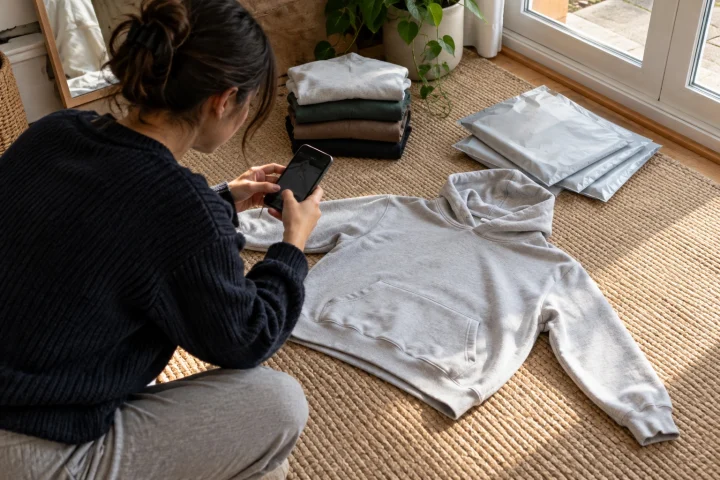
A UGC creator is someone who makes videos, photos or reviews for a brand, and the brand uses that content in its own ads, website or social posts. UGC stands for user-generated content. The content is meant to look like it came from a real person instead of a big production team.
The part that makes it popular with teens: you usually don’t have to be famous. The part nobody puts in the viral videos: there are real age rules, real legal rules, and a lot of scams. Here’s the honest version.
What does UGC creator mean?
Think of a skincare brand that wants a casual, real-looking video of someone using its product. It can hire an influencer and have them post it to their followers, or it can hire a UGC creator, take the video, and post it on the brand’s own account or in its ads. The second one is UGC.
| Influencer | UGC creator | |
|---|---|---|
| Where the content goes | Your own account, to your followers | Usually the brand’s account, website or ads |
| What brands are buying | Your audience and your content | Mostly your content: the video or photos |
| Does follower count matter? | A lot | Usually much less |
| What you need most | A following people trust | A few good samples of your work |
Some people do both. But UGC is the version where a small account can still get work, because the brand cares about whether your video is good, not how many people follow you.
What do UGC creators actually make?
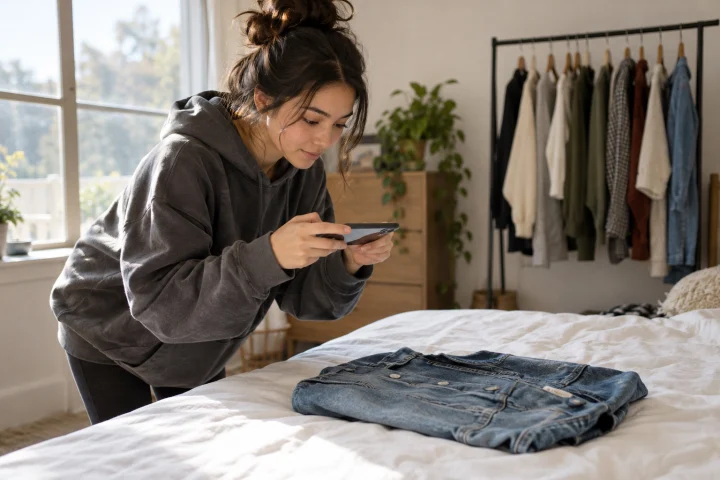
- Unboxing and “first impressions” videos of a product.
- Product demos: showing how something works, step by step.
- Talking-to-camera reviews and “here’s why I use this” clips.
- Photos of a product in everyday life.
- Short, simple scripts a brand gives you, filmed your way.
Notice what’s not on the list: pretending to love something you’ve never used. We’ll come back to that, because it’s where the rules start to matter.
How old do you have to be to be a UGC creator?
There isn’t one rule for the whole internet. Each platform and each brand sets its own, and they stack. Here’s what the platforms themselves say.
- TikTok: its U.S. Terms of Service say that if you’re under 13 (under 14 in Florida), you may not use the main platform. If you’re under 18, you need a parent or guardian’s permission, and some features may be limited.
- Instagram: its Terms of Use say you must be at least 13 or the minimum legal age in your country.
- TikTok Shop creator programs: TikTok’s Creator Eligibility Policy (dated Sept. 25, 2026) says you must be at least 18 to become a TikTok Shop creator, and affiliate creators need at least 1,000 followers.
So being old enough for an app is not the same as being old enough to do paid brand work on it. Brands and programs can set their own minimum age, and many pick 18. Always read the program’s own rules before you apply, and never lie about your age to get in. That’s a fast way to lose an account and any money tied to it.
Can a teen be a UGC creator?
You can build the skills now, and you can look for work that fits your age. What works best:
- Practice on things you already own. Film a demo of your favorite water bottle, a book you love or a study setup. Treat it like a real brief.
- Make three to five solid samples in different styles: one demo, one talking-to-camera review, one photo set. Quality beats quantity.
- Learn the basics. Good natural light, clear audio, steady framing and a clear first three seconds. A phone is enough.
- Look at small local businesses with a parent’s help. A bakery or boutique down the street might want content and doesn’t need you to be on a big platform.
- Keep a simple portfolio where you can show your samples. Skip your last name and school if your parents prefer, and keep location details out of anything you post.
It’s also worth reading online jobs for teens that aren’t scams for the age rules on bigger freelance sites, and how to make money as a teen if you want ideas that don’t involve a camera.
Do UGC creators have to say it’s an ad? FTC rules
Yes, in a lot of cases. The Federal Trade Commission (FTC) has rules for anyone who posts about a product they were paid or given something to talk about. These come from its Disclosures 101 for Social Media Influencers:
- You need to disclose any financial, employment, personal or family relationship with a brand.
- It doesn’t have to be money. If you got anything of value to mention a product, say so.
- Put the disclosure where people can’t miss it. It should be with the endorsement itself, not buried in a pile of hashtags or links.
- In a video, the disclosure should be in the video, not just in the description.
- Plain words work: “ad,” “advertisement,” “sponsored,” or “thanks to [brand] for the free product.” Vague abbreviations like “sp” or “collab” do not.
- Don’t describe an experience with a product you haven’t tried. And if you were paid and didn’t like it, you can’t call it great.
The FTC also says in its endorsement guides Q&A that responsibility for disclosing rests with the influencer and the brand, and that action against an individual endorser can be appropriate in certain circumstances. TikTok’s own terms also tell creators posting paid brand content to follow its Branded Content Policy and the FTC’s Endorsement Guides.
The simple version: if you post about a product on your own page in return for money or a free product, the rules apply to you. If the brand will post your content on its own account, ask how it plans to label it.
UGC creator scams to watch for
Because UGC sounds easy (“get paid to film yourself with free stuff”), it attracts scammers. The FTC’s job scam advice is blunt about the patterns, and they apply here:
- A brand explains the product, the deliverables, the deadline and the pay before you start
- You are never asked to pay anything
- You can look up the company, its website and a real contact person
- You get a written agreement you can show a parent
- You’re asked to pay for a “UGC course,” “certification,” “starter kit” or “access to brands”
- You get a check to deposit, then are told to send part of the money back or buy gift cards
- “Reshipping” or forwarding packages as part of the job
- Promises of big money fast for very little work
- You’re told to write fake customer reviews for products you haven’t tried
The FTC says honest employers will never ask you to pay to get a job, that no honest employer sends a check and tells you to send part of it on, and that reshipping goods is never a real job. If you run into a scam, you can report it at ReportFraud.ftc.gov.
The fake reviews one is also a legal problem. In 2024 the FTC finalized a rule banning fake reviews and testimonials. If a brand asks you to pose as a regular customer and rave about something you’ve never used, walk away.
How much do UGC creators make, and what about taxes?
You’ll see big numbers online. We’re not repeating them, because we couldn’t find a government or other primary source that tracks what UGC creators earn. Rates vary by brand, type of content and who’s asking, so treat any promised income as a sales pitch until proven otherwise.
Taxes are a real thing, though. The IRS says that if your net earnings from self-employment are $400 or more, you have to pay self-employment tax (the rate is 15.3%) and file a return. If you start earning, have a parent help you figure out what you owe, and keep a simple record of what you were paid and when. When you’re ready for the money part, here’s how to open a bank account under 18.