How to Shave Without Razor Bumps (and What to Do If You Already Have Them)
How to shave without razor bumps: the step-by-step routine dermatologists recommend, how often to change your razor, how to calm bumps and when to see a doctor.


In this guide
To shave without razor bumps, shave when your skin and hair are soft and wet, use shaving cream and a fresh blade, go in the direction your hair grows, and calm the skin right after. Most bumps come from skipping one of those steps.
Here’s the full routine, based on what the American Academy of Dermatology (AAD) tells people to do, plus how to deal with bumps you already have and when it’s time to get them checked.
Why do razor bumps happen?
When you shave, you cut each hair off at the skin. A freshly cut hair can curl back and grow into the skin instead of out of it, and the spot gets red, bumpy and sometimes sore. The AAD explains that warmth and moisture make hairs swell, so softened hairs are less likely to curl into your skin after you shave. That’s the whole idea behind most of the tips below.
If it’s your first time with a razor, ask a parent or older sibling to show you. If a parent says no, here’s how to deal with strict parents without making it a fight.
How to shave without razor bumps, step by step
- Shave after a warm shower, not before. The AAD says to shave at the end of a shower or hold a warm, damp washcloth on the area first. Warm, wet skin is soft, and free of extra oil and dead skin cells, per the AAD’s shaving guide.
- Wash the area first with a cleanser that won’t clog pores (the AAD says “non-comedogenic”).
- Put on shaving cream or gel. The AAD recommends a moisturizing shaving cream, and one labeled “sensitive skin” if your skin is dry or sensitive.
- Use a clean, sharp blade. A dull blade tugs at the hair and skin. More on when to swap it below.
- Shave in the direction your hair grows. The AAD calls this “with the grain.” On most legs, that means from the top down. Use light, short strokes, and don’t press hard.
- Rinse the razor after each stroke so hair and cream don’t clog it.
- Rinse with warm water, then press a cool, damp washcloth on your skin. That’s the AAD’s tip for after you shave.
- Finish with aftershave or moisturizer. The AAD suggests an aftershave designed to reduce bumps and irritation.
How often should you change your razor?
The AAD says to replace a disposable razor, or its blade, after 5 to 7 shaves. If you use an electric razor, clean it every 5 to 7 shaves. A dull blade is one of the easiest things to fix and one of the most common reasons for bumps and nicks.
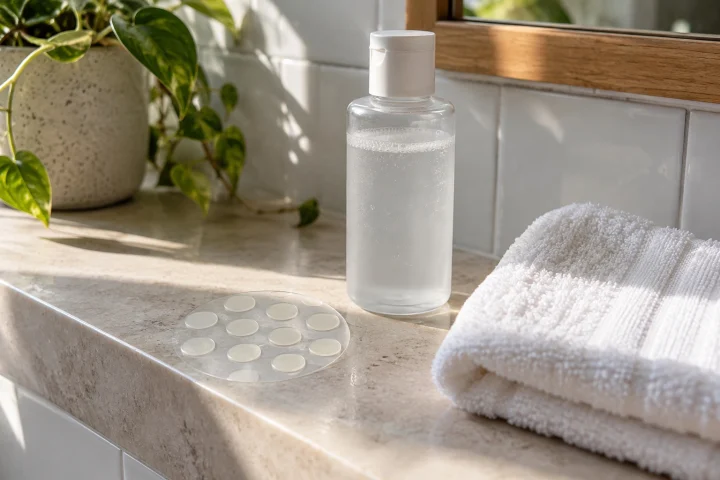
A tip so you don’t lose track: put a small dot on the handle with a marker or a piece of tape each time you shave. Seven dots means a new blade.
Dos and don’ts for fewer razor bumps
| Do | Don’t |
|---|---|
| Shave on wet, warm skin | Shave dry |
| Use shaving cream or gel | Skip the cream because you’re in a hurry |
| Go with the direction hair grows | Go against the grain for a closer shave |
| Change blades after 5 to 7 shaves | Use one razor until it falls apart |
| Store the razor dry | Leave it on the shower floor |
| Rinse with warm water, then cool | Rub the area with a rough towel |
The AAD also gives one more tip for people who keep getting bumps: if you can, stop shaving and let the hair grow out. That removes the cause of razor bumps. It’s an option, not a rule. For lots of people, shaving less often is the first thing to try.
The AAD does say that when you do shave, doing it daily or at least every 2 to 3 days gives hair less time to grow long enough to curl. So pick a routine and stick with it, rather than going from every day to once every two weeks.
How to calm razor bumps you already have
- Pause shaving that area. The AAD says that if shaving caused an infection in the hair follicles, you should stop shaving, plucking or waxing for 30 days.
- Use a warm compress. For that kind of infection, the AAD suggests a warm compress 3 to 4 times a day, 15 to 20 minutes each time.
- Use a cool, damp washcloth right after shaving to calm redness.
- Wear loose clothes over shaved skin when it’s hot, and change out of tight workout clothes quickly, since rubbing can irritate the follicles too, per the AAD’s folliculitis page.
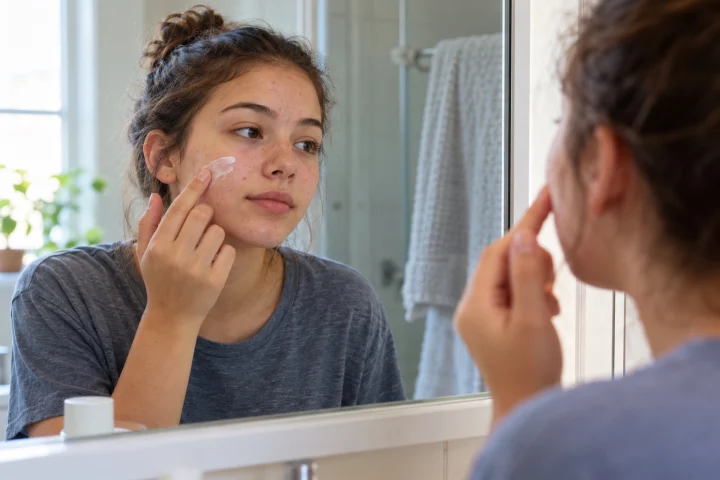
- Don’t squeeze or pick them. It makes them redder and can scar. If they look like pimples, don’t try to shave them off either. The AAD says never to shave off acne.
If you also deal with breakouts on your face or body, a gentle routine helps. Start with our skincare routine for teens.
Do you have to shave at all?
No. Body hair is normal, and shaving is a personal choice, not a requirement. If you do want to remove hair, the AAD’s guide to removing unwanted hair lists shaving, creams that dissolve hair (depilatories), waxing, threading, laser and electrolysis. Each has downsides. Shaving can cause cuts, nicks, razor burn and ingrown hairs. Depilatories can irritate your skin, and the AAD says to test a small patch first and rinse right away at the first sign of burning or stinging.
For a teen, shaving is the simplest place to start. Talk to a parent before trying anything that needs a professional or a lot of cost. Short on time in the morning? Shaving at night after your shower works fine and fits our morning routine for school better.
When to see a doctor about razor bumps
See a doctor, ideally a board-certified dermatologist, if:
- You still get razor bumps after changing your shaving habits. The AAD says untreated razor bumps can leave lasting changes like deep grooves and raised scars, so earlier is better.
- The bumps look like acne with a red ring around each one. The AAD says that ring can be a sign of infection, and folliculitis can look like acne, so a doctor can tell what it is.
- They don’t clear up, or you can’t stop shaving because of your hair. A dermatologist can suggest ways to cut down the irritation, or a treatment.
- They’re painful, itchy a lot, or keep coming back.
Not sure how to ask a parent to book it? Here’s how to make a doctor’s appointment.