How to Get Rid of Acne Fast: What Really Works (and What Doesn’t)
How to get rid of acne fast, honestly: what calms a pimple overnight (patches, spot treatments), myths like toothpaste, and when to see a dermatologist.

We only recommend stuff we'd tell a friend about. If you buy through our links, we may earn a small commission. It never changes what we say. How we make money

In this guide
You can make one pimple look smaller and calmer by tomorrow morning. You can’t clear all your acne in a day or two, and anything that promises that is lying. Acne treatments that work take weeks, not hours.
So here’s the honest version: what helps a pimple fast, what actually clears breakouts over time, and the popular “hacks” that make things worse. It’s all based on what dermatologists and doctors say.
Can you get rid of acne overnight?
Not all of it. The American Academy of Dermatology (AAD) says that when you start an acne treatment, you should give it at least 4 weeks, that improvement usually shows up in 4 to 6 weeks, and that fully clearing can take 2 to 3 months or longer. Switching products every few days irritates your skin and can cause more breakouts.
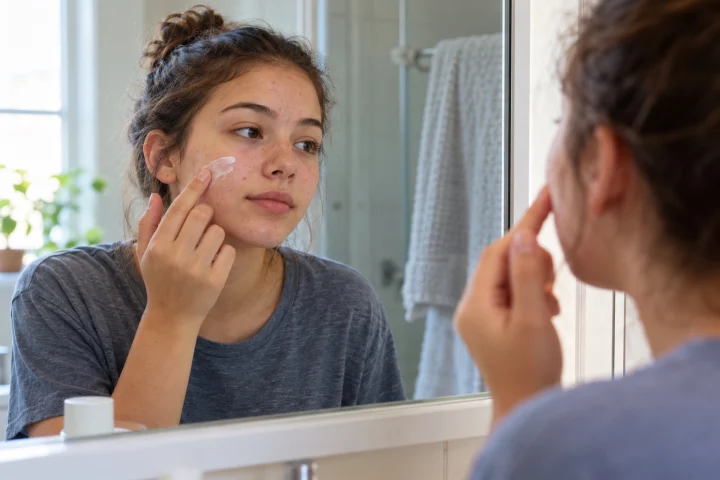
What you can do overnight is give one pimple a better chance: cover it, treat it, keep your hands off it and don’t make it angrier than it already is.
What helps a pimple fast
1. Put a pimple patch on it
Hydrocolloid patches soak up fluid from a pimple that’s already come to a head or been popped, and they stop you from picking at it. Hero Cosmetics says its Mighty Patch Original is made of medical-grade hydrocolloid, is drug-free and should be removed after 6 to 8 hours. Patches do very little for deep, painful bumps or blackheads. We break down which pimples respond in do pimple patches work.
Why we like it: a hydrocolloid patch that the brand says shrinks the look of pimples in one use and helps protect them from picking and popping. The price is for the 36-count pack.
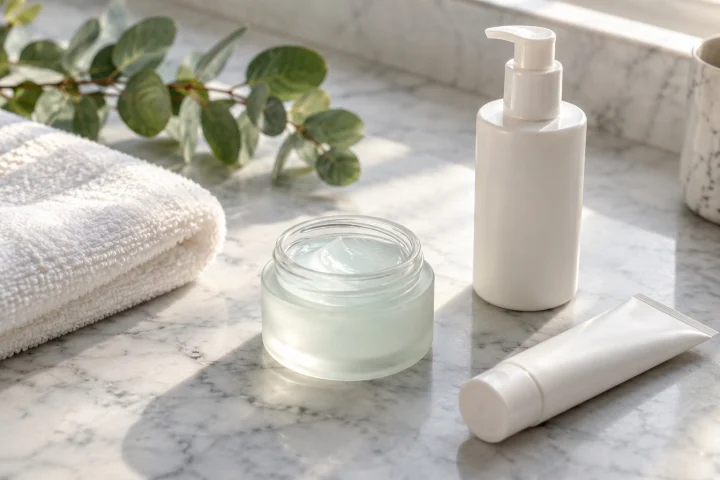
2. Dab on a spot treatment
Spot treatments with benzoyl peroxide or salicylic acid are made to be dabbed onto existing pimples, according to Cleveland Clinic. The AAD says benzoyl peroxide reduces the bacteria that cause acne, and salicylic acid eases inflammation and helps unclog pores. None of those need a prescription. KidsHealth calls benzoyl peroxide the most popular and effective over-the-counter acne ingredient. Start slowly, follow the directions on the label, and don’t pile on extra. The AAD warns that over-applying treatments can dry out and irritate your skin, which can make acne worse. Not sure which one to pick? Read benzoyl peroxide vs salicylic acid.
3. Use ice if it’s sore
For a painful pimple, the AAD says ice can ease pain and inflammation. Wrap it in a clean cloth so it isn’t directly against your skin, and hold it there for a short time.
4. Wash gently and leave it alone
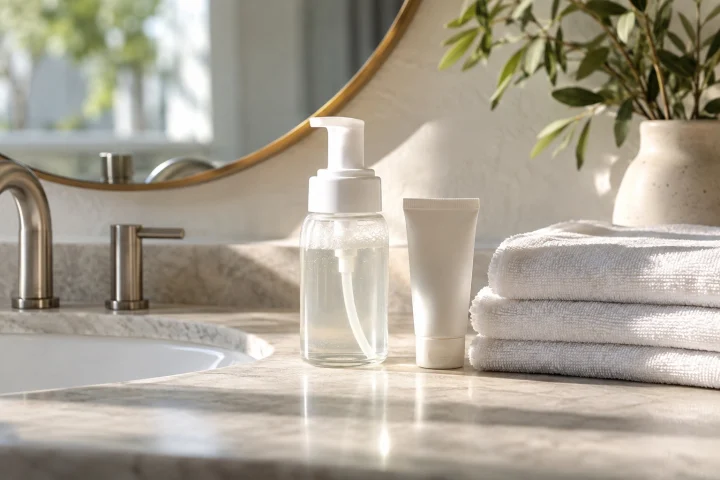
The AAD says to wash your face up to twice a day, and after sweating, with a gentle cleanser applied with your fingertips. Don’t use washcloths or sponges. Also skip astringents, toners and exfoliants, which can dry skin out and make acne worse.
5. Cover it the right way
If you need concealer for school, pick one labeled oil-free, non-comedogenic or “won’t clog pores”, as the AAD recommends. Use your own brushes and sponges (the AAD says sharing makeup tools can pass on bacteria and oil), and take it all off before bed. Even non-comedogenic makeup can cause breakouts if you sleep in it.
What doesn’t work (and can make it worse)
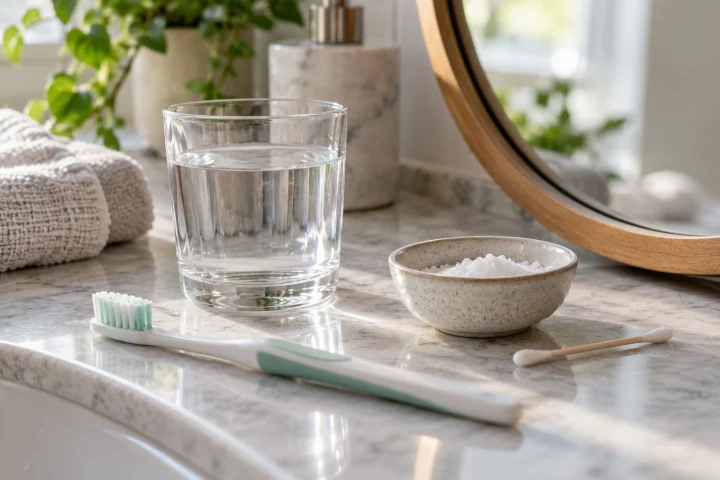
Toothpaste
It’s a myth. Cleveland Clinic explains that people used to say toothpaste worked because it contained triclosan, which the FDA limited in 2017, and as of 2019 no toothpaste sold in the U.S. contains it. Toothpaste ingredients made for your teeth can irritate skin and cause redness, stinging and burning, so you can end up with an angrier pimple than you started with.
Popping it
The AAD says squeezing can cause scars, make acne more noticeable and more painful, and cause an infection, because it can push the contents deeper into your skin and bring bacteria from your hands.
Scrubbing and drying everything out
Scrubbing irritates acne-prone skin and can make breakouts flare, according to the AAD. So can astringents, rubbing alcohol and using too much of a treatment. If your skin feels dry or tight, the AAD suggests an acne-prone moisturizer.
Switching products every few days
The AAD lists this as one of the habits that can worsen acne. Pick one routine and give it time.
Tanning
The AAD says to avoid tanning beds and tanning outdoors. Some acne medicines also make your skin more sensitive to the sun, so the AAD suggests a broad-spectrum, water-resistant sunscreen with SPF 30 or higher, labeled “non-comedogenic.”
What actually clears acne
If you get breakouts most weeks, a single trick won’t fix it. A simple routine does, and it’s boring on purpose:
- Wash twice a day (morning and night) and after sweating, gently. Washing more than that can irritate your skin.
- Use an over-the-counter acne treatment with benzoyl peroxide, salicylic acid or adapalene, which the AAD says don’t need a prescription. Use one or two, not all of them.
- Put a thin layer on all your acne-prone skin, not just the pimples you can see. The AAD says that treats current acne and helps prevent new breakouts.
- Be patient. Give it 4 to 6 weeks before deciding it isn’t working, and keep using it after your skin clears so the pimples don’t come back.
- Moisturize and wear sunscreen. A treatment is easier on skin that isn’t dried out.
Need a cleanser? See our picks in best face wash for acne, or start with the basics in skincare routine for teens and how to get clear skin.
A quick plan for tonight and tomorrow
- Tonight: wash your face gently, pat it dry, put a hydrocolloid patch on the pimple (if it has a head), or dab on a spot treatment if it doesn’t.
- Don’t touch it. If you’re a picker, the patch is a shield.
- Tomorrow morning: take the patch off after 6 to 8 hours, wash gently, moisturize and put on sunscreen.
- If you need to cover it, use a small amount of non-comedogenic concealer and wash it off tonight.
When to see a dermatologist
Some acne needs a doctor. The AAD says to see a board-certified dermatologist if:
- You’ve used over-the-counter treatment and don’t see results after 4 to 6 weeks.
- You have deep, painful bumps (cysts or nodules). These can leave scars.
- Your acne makes you uncomfortable and you want clearer skin.
There’s also a real “fast” option here. For a single deep, painful cyst, the AAD says on its pimple popping page that a dermatologist can give a corticosteroid injection that flattens most cysts and nodules within 48 to 72 hours. Only a doctor should do this, and it isn’t used for lots of pimples at once. A doctor can also suggest prescription options. If you’re nervous about asking, here’s how to make a doctor’s appointment.