How to Sleep Better When Your Brain Won’t Shut Off
How to sleep better as a teen: how much sleep you need, why it's hard to fall asleep, a wind-down routine and what to do when you can't sleep.


In this guide
To sleep better as a teen, keep the same bedtime and wake-up time (even on weekends), turn screens off before bed, keep your room dark, cool and quiet, and skip caffeine in the afternoon and evening. If you’re lying in bed awake, get up for 20 to 30 minutes, do something calm in low light, then go back.
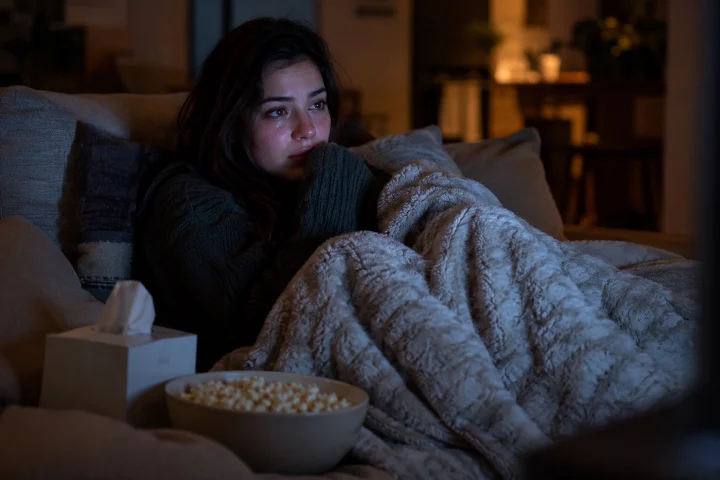
That sounds simple until it’s 11:40 p.m., you have a 6:30 alarm and your brain has decided now is the time to replay every awkward thing you said three years ago. If that’s you, it isn’t a character flaw. Teen sleep really is harder, and there are reasons for it.
Here’s how much sleep you need, why it’s hard to get, and what to do about it tonight.
How many hours of sleep do teens need?
The CDC recommends 8 to 10 hours a night for ages 13 to 17. KidsHealth says the same: most teens need about 8 to 10 hours.
| Age | Recommended sleep per day (CDC) |
|---|---|
| 6 to 12 years | 9 to 12 hours |
| 13 to 17 years | 8 to 10 hours |
| 18 to 60 years | 7 or more hours |
Do the math backward. If you wake up at 6:30 a.m., 8 hours means being asleep by 10:30 p.m., so you’d need to be in bed a little earlier than that.
How can you tell if you’re not getting enough? KidsHealth says you may need more sleep if you:
- have a hard time waking up in the morning
- have trouble concentrating
- fall asleep during classes
- feel irritable, moody, sad or depressed
Why is it so hard to fall asleep as a teenager?
It isn’t only the phone. KidsHealth explains that during the teen years your body’s internal clock shifts so you fall asleep later and wake up later. Teen brains release melatonin, the sleep hormone, later at night than kids’ and adults’ brains do.
Then real life stacks on top of that:
- School starts early. KidsHealth says teens who fall asleep after midnight still have to get up early for school, so they might squeeze in only 6 or 7 hours.
- Screens. Bright lights and the blue light from devices delay melatonin, according to KidsHealth. Texting and games also keep your brain switched on.
- Stress. KidsHealth lists worrying about school, relationships or problems at home as a reason for trouble sleeping. And as it points out, the more you agonize about not sleeping, the more likely you’ll lie awake.
- A packed schedule. Homework, sports, a job and friends all come out of the same 24 hours, and sleep is the first thing to go. The NIH’s National Heart, Lung, and Blood Institute says sleep is often the first thing busy people squeeze out of their schedules.
How to sleep better tonight
1. Pick a bedtime and a wake-up time
The CDC lists going to bed and getting up at the same time every day as a habit that helps. Count back at least 8 hours from when you have to wake up, and set that as your bedtime.
2. Turn the screens off before bed
The CDC says to turn off electronic devices at least 30 minutes before bedtime. KidsHealth goes further and says to stop using phones, tablets, computers and TV at least 1 hour before bed. It also suggests charging your phone outside your room. If your thumb goes to your phone at night, here’s how to stop doomscrolling.
3. Make your room dark, cool and quiet
The CDC recommends a quiet, relaxing room at a cool temperature. KidsHealth says people sleep best in a dark room that’s slightly cool, and that a white-noise machine or app can help if your room is noisy.
4. Watch your caffeine
Coffee, tea, soda, energy drinks and chocolate all have caffeine. NHLBI says caffeine’s effects can last up to 8 hours, so a late-afternoon coffee can keep you up that night. KidsHealth says to skip caffeinated drinks after dinner, and that nicotine, including vaping, can also make you restless and interrupt your sleep.
5. Move your body during the day
KidsHealth recommends getting at least 60 minutes of exercise a day, but not too close to bedtime, because it can wake you up before it slows you down.
6. Keep naps short and early
KidsHealth says naps longer than 30 minutes, or naps too close to bedtime, can keep you from falling asleep later. If you nap, do it in the early afternoon.
7. Build a wind-down routine
Your body likes patterns. KidsHealth suggests a shower, reading, quiet music, time with a pet, writing in a journal or meditating. Not sure what to write? These journal prompts for teens are a good start. A routine can look like this:
- Put your phone on the charger across the room.
- Take a shower and get your stuff ready for tomorrow.
- Lower the lights. Read or listen to quiet music.
- Do a few slow breaths, then lights out.
What to do when you can’t fall asleep
Almost everyone has a bad night now and then. KidsHealth gives three things to try when you’re lying awake:
- Take your mind off racing thoughts. Build a relaxing scene in your head, like lying in a hammock under the stars, and imagine the sounds and sensations in detail.
- Get up for a bit. If you’ve been awake for a while, get out of bed and do something calm, like reading, quiet music or gentle yoga, with the lights low. Go back after 20 or 30 minutes, or sooner if you feel sleepy.
- Stay away from screens. Bright screens can trick your brain into thinking it’s time to wake up, and anything stimulating, from texting to video games, can kick you into wake-up mode.
If your head is stuck on one worry, how to stop overthinking has steps to try, and coping skills for teens has more ways to calm down.
Can you catch up on sleep on weekends?
Partly, and not really in the way people hope. KidsHealth says your body can catch up on sleep but can’t store extra sleep for the days ahead, so a weekend sleep-in won’t make up for short weeknights. The NHLBI says to keep the same sleep schedule on weeknights and weekends, limiting the difference to no more than about an hour, because sleeping in late on weekends can disrupt your body clock.
So if you have to wake up at 6:30 on school days, try not to sleep past 7:30 on Saturday. Take an afternoon nap instead (short, see above).
Why sleep matters for school, mood and more
Sleep isn’t a luxury. The CDC says getting enough sleep can help you reduce stress and improve your mood, get sick less often, and improve your attention and memory. KidsHealth lists paying attention and learning in school, sports performance and growth among the reasons teens need sleep. That’s why cramming all night is usually a bad deal. Try studying for a test in shorter sessions instead, and see our tips for getting good grades.
When to talk to a doctor about sleep
Bad sleep isn’t always a habits problem. KidsHealth says to talk to your doctor if:
- insomnia happens several nights a week for weeks or months
- you snore most nights
- you think you’re getting enough rest at night but still feel tired during the day
Sleep and mood are also linked. The National Institute of Mental Health includes difficulty sleeping among symptoms that, when they’re severe and last 2 weeks or more, are a reason to seek help. If you’re sleeping badly and also feel down, anxious or hopeless, tell a parent, your school counselor or your doctor.