Dark Circles at 16? Why They Show Up and What Really Helps
For a lot of teens, dark circles aren't about sleep at all. The real causes, what actually helps, what's a waste of money and when to see a doctor.


In this guide
You slept fine. You’re 16. And still, there they are: dark circles under your eyes that make you look exhausted in every photo.
Here’s what most “get rid of dark circles” posts won’t tell you: for a lot of teens, dark circles aren’t about sleep at all. Here’s why they show up, what actually helps and what’s a waste of money.
Why teens get dark circles
According to the Mayo Clinic, some of the most common causes are:
- Genetics. If your parents have them, there’s a good chance you will too.
- Eczema and allergies. Atopic dermatitis (eczema) and contact dermatitis are both on the list. Itchy eyes from allergies lead to rubbing, which is another cause.
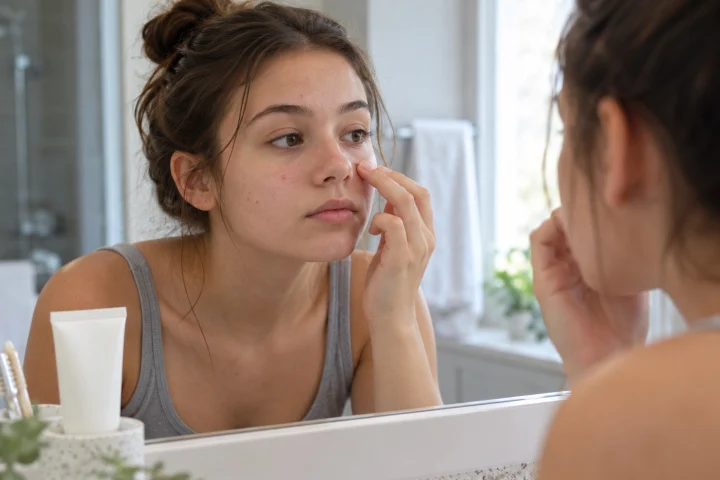
- Rubbing or scratching your eyes.
- Changes in skin color. Extra pigment, from melasma or dark marks left after irritation, is more common in people with brown or Black skin.
- Sun exposure.
- Being tired. Dark circles are usually more noticeable when you’re tired. Stress plays a role too.
Sometimes what looks like a dark circle is really a shadow from puffy eyelids or the shape of the area under your eyes.
Does sleep fix dark circles?
Partly. The Mayo Clinic says short nights alone don’t usually cause under-eye circles, but a lack of sleep can make the shadows and circles you already have more obvious. So more sleep may help them look lighter, but it probably won’t make genetic circles disappear.
Teens need 8 to 10 hours a night, according to the CDC, and that’s worth it for a lot more than your under-eyes.
What actually helps
The Mayo Clinic says mild to moderate dark circles often respond to habits and home remedies like these:
Something cold
Visible blood vessels can make the area look darker. Hold a cold, wet cloth, a cold spoon or a bag of frozen peas wrapped in a soft cloth against the area for a few minutes. It’s the easiest thing to try on a morning when you want them to look lighter.
An extra pillow
Raising your head while you sleep helps stop fluid from pooling under your eyes, which makes puffiness and shadows worse.
Sunscreen
Broad-spectrum SPF 30 or higher, every day, including the skin under your eyes. Sun can darken the pigment there. Use a gentle, fragrance-free sunscreen or one made for the eye area if regular sunscreen stings. It fits right into our 3-step skincare routine for teens.
Stop rubbing your eyes
If your eyes itch, figure out why. Allergies? Eczema? A new makeup or skincare product? Treating the itch helps stop the rubbing, and the rubbing is part of the problem.
Eye products with the right ingredients
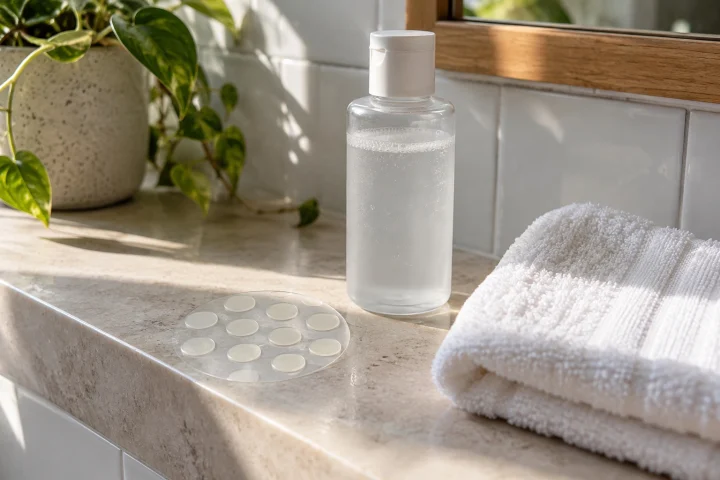
The Mayo Clinic says none of the over-the-counter eye patches and creams are regulated by the FDA, but some ingredients have been shown in studies to reduce the look of dark circles to some degree. It names kojic acid, caffeine and vitamin K. “To some degree” is the key phrase. Don’t expect miracles, and test anything new on a small patch of skin first.
Concealer
Honestly, for genetic dark circles, this is what most people do. A concealer one shade lighter than your skin, or a peach-toned color corrector if your circles look bluish or purple, gently tapped on with your finger.
What’s a waste of time
- Expensive eye creams promising to “erase” dark circles. If the cause is genetics or shadows, no cream will make them vanish.
- Cucumber slices. They feel nice, but most of the effect is just the cold. A cold spoon works the same.
- Harsh scrubs or DIY lemon juice. The skin there is delicate, and irritation can make dark pigment worse.
When to see a doctor
The Mayo Clinic says dark circles usually aren’t a medical problem, but to talk to a healthcare professional if you notice changes under just one eye that get worse over time. It’s also worth seeing a doctor if:
- your eyes are always itchy, red or swollen, which could be allergies or eczema that needs treatment,
- you also feel tired all the time, even when you sleep enough.
If home remedies don’t help and the circles bother you, a dermatologist can suggest prescription creams or other treatments.